There are four extant species anteaters, including the silly anteater, the giant anteater, and the northern and the southern anteaters. These solitary animals are all found in the Americas, from Mexico to South America. They are known for having poor sight but an excellent sense of smell, on which they rely for foraging, feeding, and defense. World Anteater Day raises awareness of the need for conversation as anteaters face growing habitat loss.
Showing posts with label anteaters. Show all posts
Tuesday, November 19, 2024
19th November World Anteater Day
Anteaters are related to sloths and armadillos which seem to feature in picture books more than anteaters do, but today I put out four anteater stories and three had gone by this afternoon.
Our library has:
• What Does an Anteater Eat? by Ross Collins
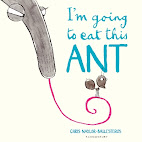
• I'm Going to Eat this Ant by Chris Naylor-Ballestros
• Conker and Nudge by Andria Meserve
• But I Don't Eat Ants by Dan Marvin
• Alice and Anatole by Sam Childs
• Anthony and the Ants by Gemma Raymor• Animal Adaptations by Radka Piro
Monday, November 4, 2024
2nd November World Numbat Day
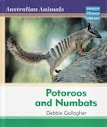
What's a numbat? The Numbat, also called the banded anteater, is a small endangered marsupial animal native to parts of Australia. They are one of the more unusual Australian marsupials because unlike most of other native species they're active during the day, are carnivorous, have an incredibly long tongue and their diet is almost exclusively termites.
Year 2 classes and I have had some very memorable teaching moments while sharing The Two-Hearted Numbat by Indigenous author illustrators, Amberlin and Ezekiel Kwaymullina. There is so much to talk about in this book and that conversation makes it easy for the students to identify the theme of the story. They love the illustrations and the glossy paper in the book too.
Then if you look further, your library may have some of these:
Subscribe to:
Posts (Atom)